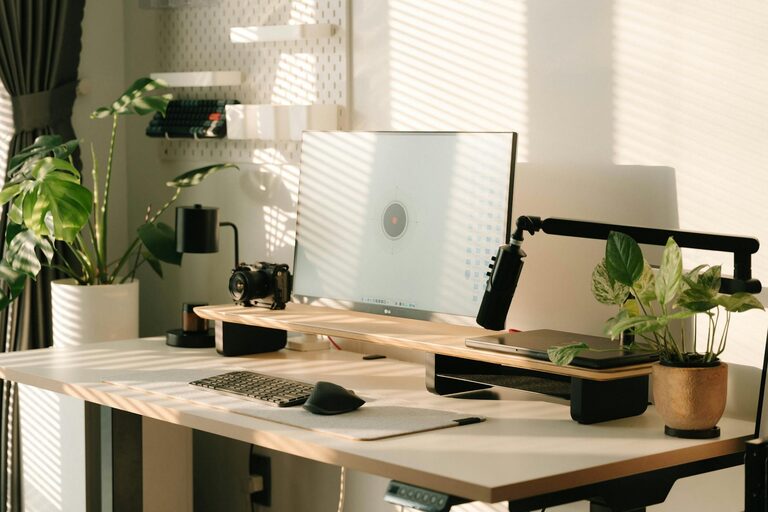
Creating a productive home office environment is essential for anyone working remotely or running a business from home. A well-designed workspace can improve focus, increase efficiency, and enhance overall job satisfaction. Whether you have a dedicated room or a small corner in your living space, these tips will help you create an environment that supports your best work.
Choose the Right Location
Selecting the right spot for your home office sets the foundation for productivity. Ideally, choose a quiet area with minimal distractions. If possible, use a separate room where you can close the door and signal that you’re working. If space is limited, pick a corner away from noise and heavy foot traffic.
Consider Natural Light
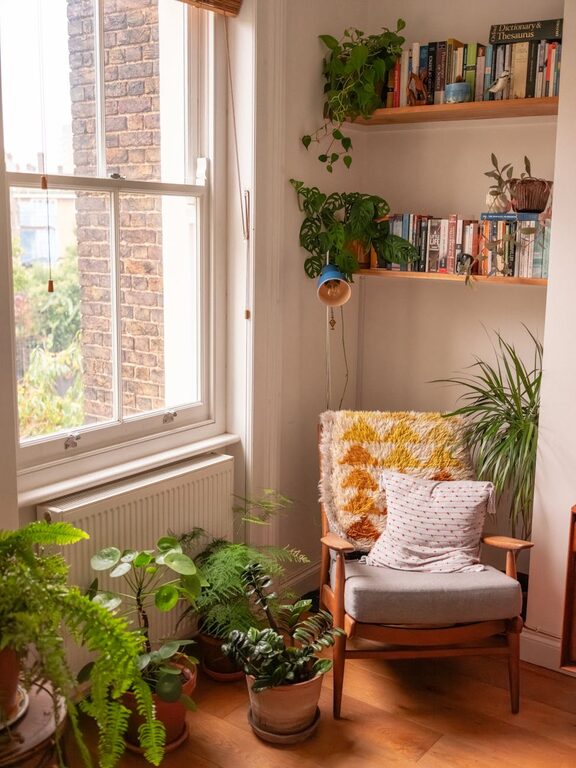
Natural light boosts mood and energy levels, so try to position your desk near a window. Proper lighting helps reduce eye strain and fatigue, which are important for long workdays. If natural light isn’t available, invest in good quality, adjustable artificial lighting.
Invest in Ergonomic Furniture
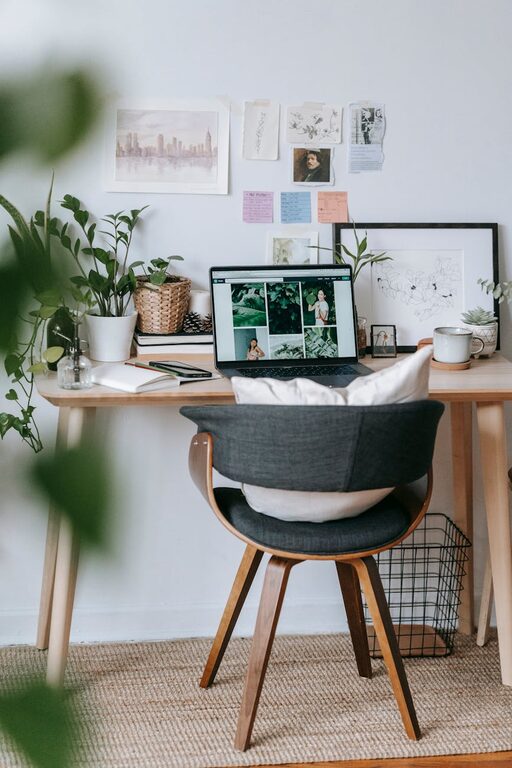
Comfort is key for productivity. Choose a sturdy desk and an ergonomic chair that supports good posture. This prevents back pain and discomfort that can distract you from your tasks.
Chair Tips
– Look for adjustable height and lumbar support.
– Use a footrest if your feet don’t comfortably touch the floor.
– Sit with your feet flat and knees at a 90-degree angle.
Desk Tips
– Select a desk with enough surface area for your computer, notebook, and other essentials.
– Consider a standing desk or a sit-stand converter to change positions during the day.
Keep Your Workspace Organized
A clutter-free workspace contributes to a clear mind. Use storage solutions like shelves, drawers, and organizers to keep supplies and documents tidy.
Declutter Regularly
Reserve time weekly to clear unnecessary items. This habit prevents piles of paper and random objects from building up and distracting you.
Use Cable Management
Tidy cables and wires with clips or sleeves to reduce visual clutter and avoid accidents.
Minimize Distractions
Creating boundaries between work and home life helps maintain focus during office hours.
Set Clear Work Hours
Establish a routine with designated start and end times. Communicate these hours to family or housemates.
Turn Off Notifications
Limit interruptions by muting non-essential notifications on your devices, especially social media alerts.
Use Noise Control Tools
Consider noise-cancelling headphones or a white noise machine if your environment has unavoidable background noise.
Personalize Your Space
Adding personal touches makes your home office inviting and motivating. Decorations, plants, or artwork can inspire creativity and comfort.
Introduce Greenery
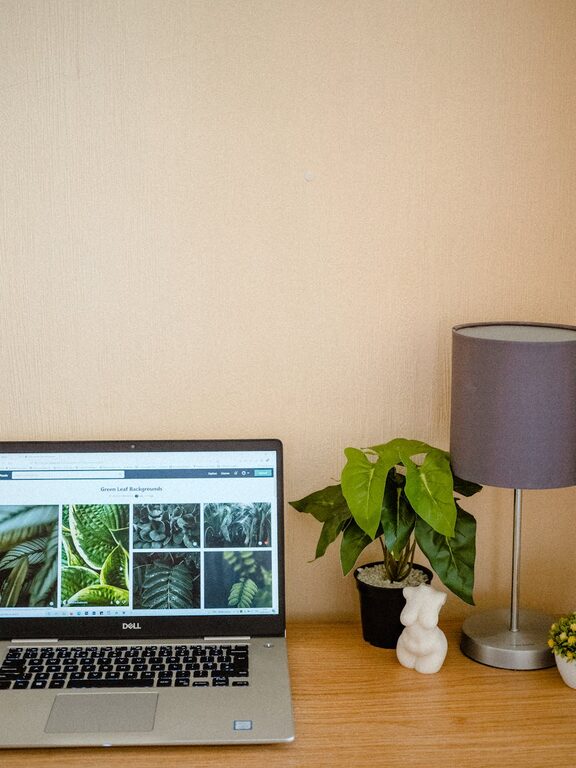
Plants improve air quality and create a calming atmosphere. Choose low-maintenance options like succulents or snake plants.
Display Inspirational Items
Photos, quotes, or objects that make you happy can keep your mood positive throughout the day.
Utilize Technology Wisely
Equip your home office with reliable technology that supports your work needs.
High-Speed Internet
A stable internet connection is vital for video calls, cloud access, and research.
Quality Equipment
Invest in a good monitor, keyboard, mouse, and headset to reduce strain and boost efficiency.
Backup Plans
Have backup options like portable chargers or a secondary internet source for unexpected outages.
Take Breaks and Move
Regular breaks improve circulation and prevent burnout.
Use the 20-20-20 Rule
Every 20 minutes, look at something 20 feet away for 20 seconds to reduce eye strain.
Stretch and Walk
Stand up, stretch, or take a short walk to refresh your body and mind.
Maintain Healthy Habits
Your home office environment should support your wellbeing as well as your work.
Stay Hydrated and Nourished
Keep a water bottle nearby and have healthy snacks available.
Create a Comfortable Climate
Ensure your workspace has adequate ventilation, heating, or cooling to stay comfortable all day.
—
By following these tips, you can create a home office environment that fosters productivity, comfort, and balance. Tailor your workspace to what works best for you, and remember that a little effort in setting up your office can lead to big improvements in your work quality and satisfaction.
About the Author