
Creating a cozy and inviting home workspace is essential for anyone who spends significant time working from home. A well-designed workspace not only enhances your productivity but also contributes to your overall well-being and comfort during the day. Whether you have a dedicated room or just a small corner to work with, these simple steps will help you create a space that feels warm, welcoming, and functional.
Why a Cozy Home Workspace Matters
Working from a comfortable and well-organized space helps reduce stress, keeps distractions at bay, and encourages focus. When your workspace feels inviting, you’re more likely to stay motivated and enjoy your workday.
Step 1: Choose the Right Location
Start by selecting a location in your home that suits your work needs and lifestyle.
– Natural Light: Pick a spot near a window to benefit from natural daylight. It improves mood and reduces eye strain.
– Quietness: Look for a quiet corner or room where you can focus without interruptions.
– Space: Ensure there’s enough room for your desk, chair, and any other essential equipment.
If space is limited, don’t worry—creativity can help you maximize smaller areas.
Step 2: Invest in Comfortable Furniture
Furniture plays a major role in creating a cozy workspace. Here’s what to consider:
– Ergonomic Chair: Choose a chair that provides good back support and encourages proper posture.
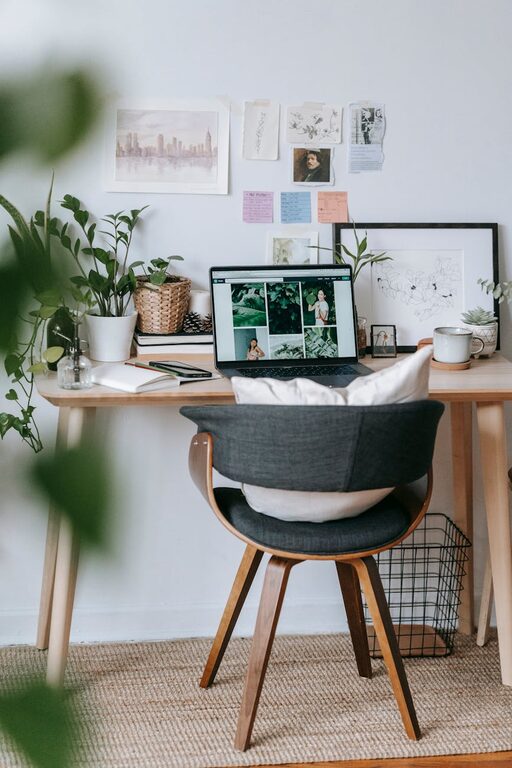
– Desk: Your desk should have enough surface area for your computer, notes, and other items but not be cluttered.
– Adjustable Options: Consider an adjustable desk or sit-stand converter for flexibility throughout the day.
Comfortable furniture reduces fatigue and helps you maintain focus.
Step 3: Consider Lighting
Proper lighting is important for both comfort and productivity.
– Layered Lighting: Use a combination of natural light, overhead lighting, and task lighting (like a desk lamp).
– Warm Light Bulbs: Warm, soft lighting creates a cozy atmosphere versus harsh, cool lights.
– Avoid Glare: Position your monitor and lighting to reduce glare and eye strain.
Good lighting sets the mood and keeps your workday pleasant.
Step 4: Personalize Your Space
Add personal touches that inspire you and make your workspace feel inviting:
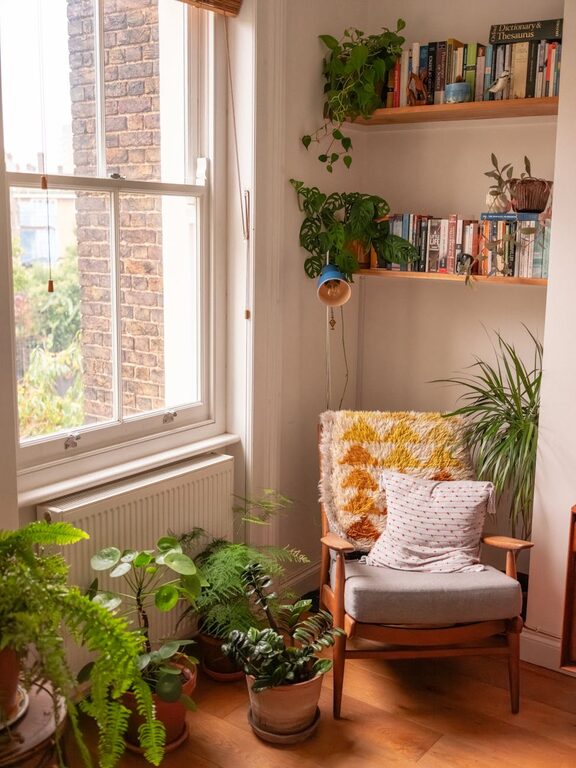
– Plants: Small indoor plants improve air quality and add a touch of nature.
– Artwork and Photos: Hang a few favorite pieces or photos that bring joy.
– Textiles: Use a soft rug, cozy throw blanket, or cushions to add warmth.
– Colors: Choose colors you find calming or motivating for walls or accessories.
Personalization helps your workspace feel like a place you want to spend time in.
Step 5: Organize and Declutter
An organized workspace fosters concentration and reduces stress.
– Storage Solutions: Use shelves, drawers, or organizers to keep supplies tidy.
– Cable Management: Use clips or sleeves to manage cords and keep the desk neat.
– Regular Cleaning: Make a habit of tidying up daily to maintain a clutter-free space.
Decluttering can make your workspace feel larger and more welcoming.
Step 6: Incorporate Functional Accessories
Think about the tools and accessories that will make your work easier and more enjoyable.
– Desk Organizer: Keep pens, notebooks, and other essentials within reach.
– Whiteboard or Corkboard: Helpful for reminders and visual planning.
– Noise Masking: Use a small fan, white noise machine, or noise-canceling headphones if needed.
The right accessories improve efficiency without overcrowding your space.
Step 7: Maintain a Routine
Once your workspace is set up, maintaining a routine can support your productivity and well-being.
– Set Work Hours: Establish specific times for work to create balance.
– Take Breaks: Incorporate regular breaks to stretch and refresh.
– End-of-Day Ritual: Clear your desk or turn off your computer to mark the workday’s end.
Consistency helps your brain associate the workspace with productivity.
—
Final Thoughts
Creating a cozy and inviting home workspace doesn’t require a large budget or complex renovations. Focusing on comfort, organization, lighting, and personal touches will help you build a space you enjoy being in—making your work-from-home experience more productive and pleasant. Start small, and gradually adapt your workspace as your needs evolve. Happy working!
About the Author